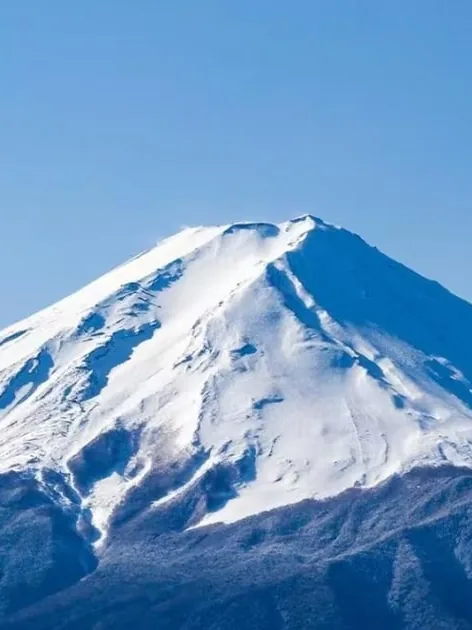
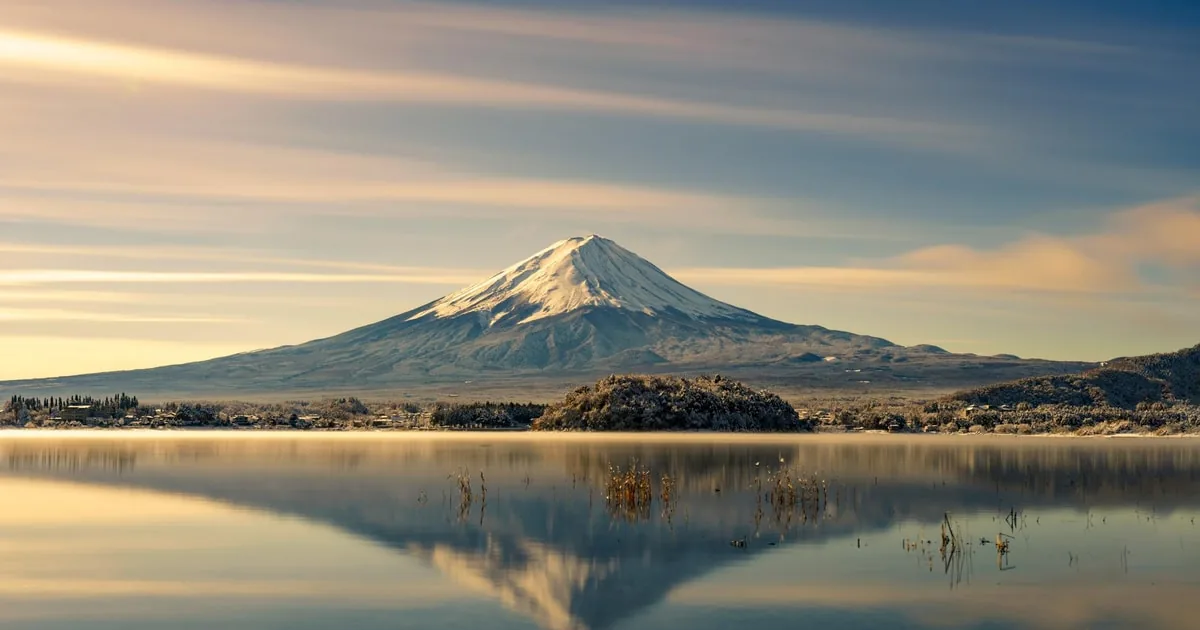
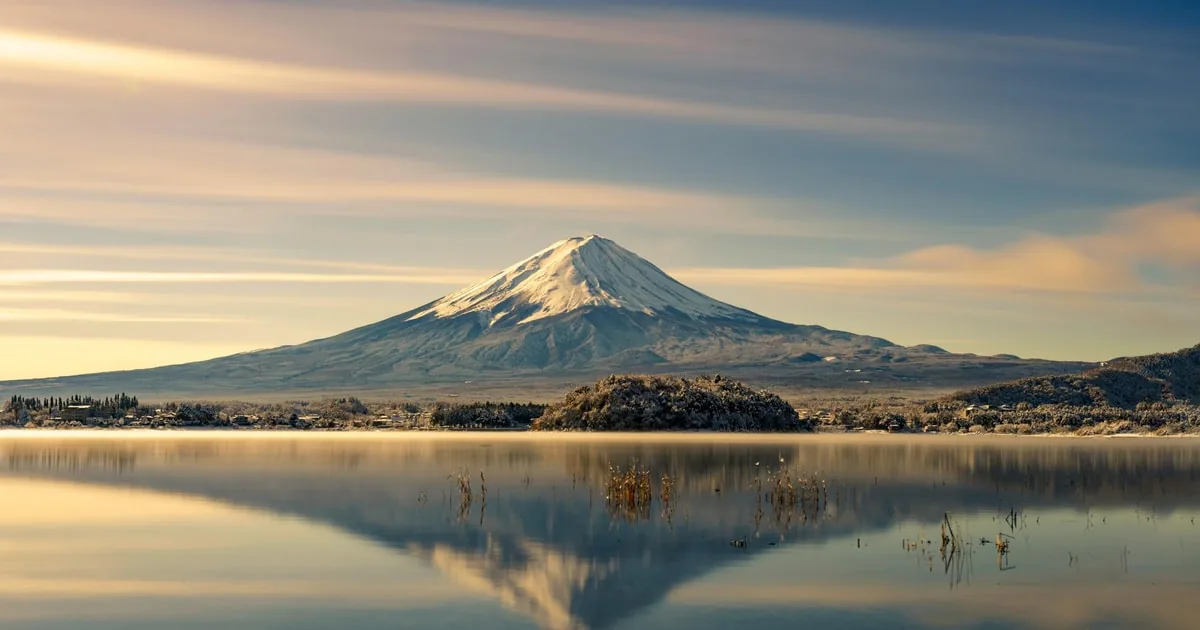
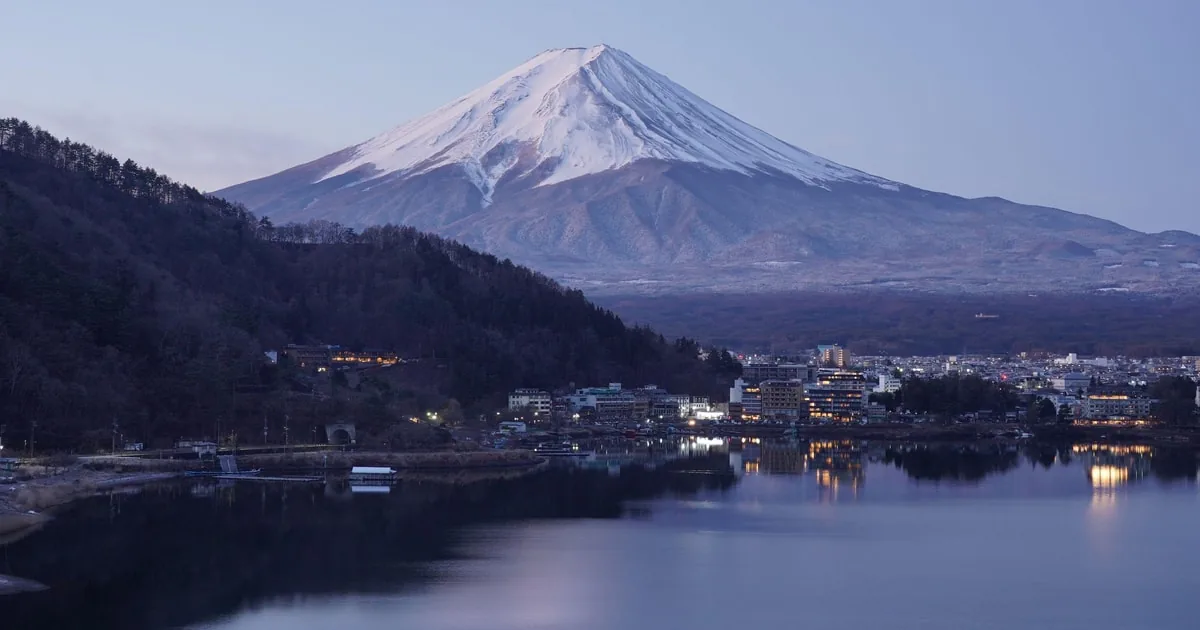
Summit trails closed: The 2026 climbing season ended on 10 September, and the four summit trails and their mountain huts are closed until next summer. The 5th Station, the Five Lakes and the forest trails below stay open. Official Mt Fuji climbing siteChecked 29 September 2026
Season and rules checkedDates, gates and fees from the official climbing site
Real guest ratingsLive GetYourGuide figures, low review counts included
Refund terms per tourEvery tour here refunds in full up to 24 hours ahead
Secure checkoutBook on GetYourGuide, instant confirmation
Hikes and tours
Choose your Fuji hike
In the centre, a private guide on the summit trail you choose. On the left, a two-day sunrise
climb from Tokyo with gear, hut and fees sorted. On the right, the day trip most visitors book, for Fuji views
in any month.
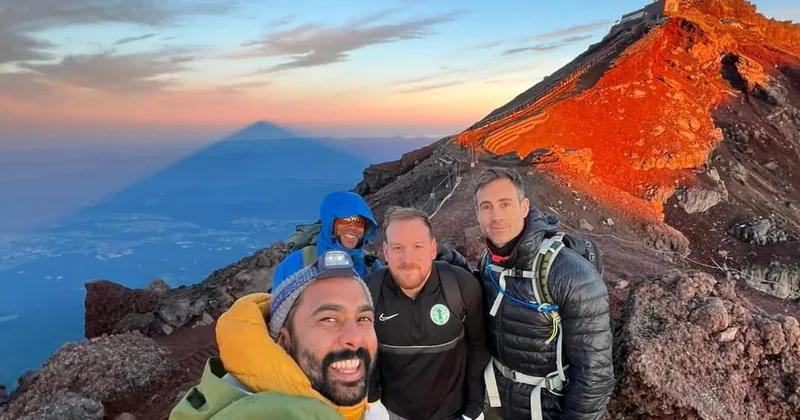
Gear fitting in Gotemba, the Fujinomiya Trail, a night in a hut near the crater rim, then 20 minutes up to the summit for sunrise. Fees and registration handled.
Your own mountain guide, the climbing fee and transport in the option you pick, on the trail you choose. The hut night and its meals you book and pay yourself.
What's included
A professional mountain guide, just for your group
The Mount Fuji climbing fee
Transport as in the option you choose
Hut night, hut meals and your own gear not included
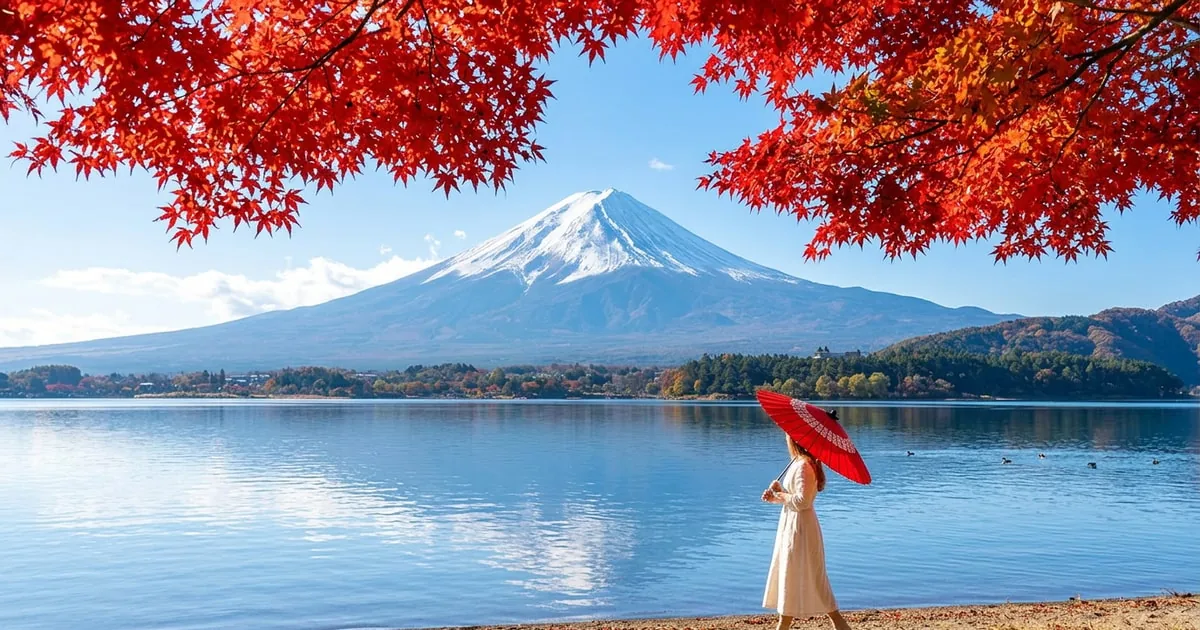
No hiking, just the classic views: Lake Yamanaka, the spring ponds of Oshino Hakkai, Oishi Park and the pagoda viewpoint. Clouds can hide Fuji on any day.
The first row is the baseline: most people climb Fuji without a tour. Every option below adds
something: a guide who sets the pace, a hut and the fees already booked, or the lakes and forests at the foot of
the mountain when the summit is closed.
Option
Starts
Best for
Length
Rating
Cancel
On your own
Any of the four 5th stations
Fit hikers in season who book a hut, pay the fee and bring proper gear
The summit climbs run only in the climbing season, early July to 10 September; the day
trips and forest walks run all year. Clouds can hide Fuji on any day, most often in summer.
What the tour pages don't tell you
Most Fuji tours never climb it.
Search for a Mount Fuji tour and most of what you find are bus day trips to the Five Lakes: the
spring ponds of Oshino Hakkai, the pagoda viewpoint, a lakeshore photo. They are good days out, and they run all
year. Only a handful of listings are real summit climbs, and those have very few reviews so far.
The climb itself has a season: early July to 10 September. In 2026 it has ended, and the summit
trails and huts are closed until next summer. In season, Fuji is a long, non-technical hike on marked trails. You
need no ropes or climbing skills, but you do need stamina, warm layers and time to adjust to the altitude.
10 Sep
the last climbing day of the 2026 season. The trails
usually reopen in early July; the 2027 dates are not out yet.
4 summit trails3,776 mEarly July to 10 SeptemberWorld Heritage since 2013
Outside summer, snow closes the upper mountain.
01
Open now?
Not the summit. The 5th Station, the lakes and the lower forest trails are.
02
Need a guide?
No. Most climbers go without; a guide helps if it is your first mountain.
03
How long?
Usually one night and two days, with a night in a mountain hut.
04
Any rules?
A climbing fee on every trail, and no entry from 2 pm to 3 am without a hut booking.
The climb
Four steps to the summit
How a summer climb works for most people, with or without a guide: up on day one to a hut, the
summit at dawn, and down by lunchtime.
01
Book the hut
Reserve a mountain hut well ahead; it is separate from the trail booking and the huts fill up in peak weeks.
Weeks before
02
Reach the 5th station
Bus from Shinjuku or Kawaguchiko. Pay the fee, show your registration and pass the gate before 2 pm.
Morning, day one
03
Climb to your hut
Walk slowly, drink often and rest at every station. Dinner is early, and so is lights out.
4 to 6 hours
04
Summit, then down
Leave in the dark with a headlamp, watch the sunrise near the top, then take the descent path down.
The four ways up, the rules since 2024, what to carry, and what to do when the summit is closed.
Yoshida: starts at about 2,305 m; about 6 hours up and 3.5 down. The most huts and the most climbers, the usual first choice.
Fujinomiya: starts highest, at about 2,400 m; the shortest, about 5 hours up, but steep, with the same path up and down.
Subashiri: starts at 2,000 m in forest; about 6.5 hours up, with a fast sandy descent. Joins Yoshida at the 8th station.
Gotemba: starts lowest, at 1,440 m; nearly 9 hours up, few huts and few people. For experienced hikers.
Crater walk: the loop around the summit crater takes about 1 to 1.5 hours and reaches Kengamine, 3,776 m.
Season: early July to 10 September; outside it the trails are closed and officials strongly advise against climbing.
Fee: a per-person climbing fee on all four trails, paid online in advance or at the 5th station gate.
Gate hours: from 2 pm to 3 am the trails are open only to climbers with a hut reservation.
Yoshida Trail: a limit of 4,000 climbers a day, optional advance booking, and staff check your warm clothes, rain gear and boots.
Shizuoka trails: a short online safety course and quiz before your climb, then a QR entry certificate.
Boots: high-cut hiking boots with a good grip; the upper slopes are loose volcanic gravel.
Rain gear: a separate jacket and trousers, not a poncho.
Warm layers: fleece, a down jacket, gloves and a hat; the summit is near freezing before dawn.
Headlamp: for the pre-dawn start, with spare batteries.
Also: water, snacks, coins for the toilets, and a bag to carry your rubbish down.
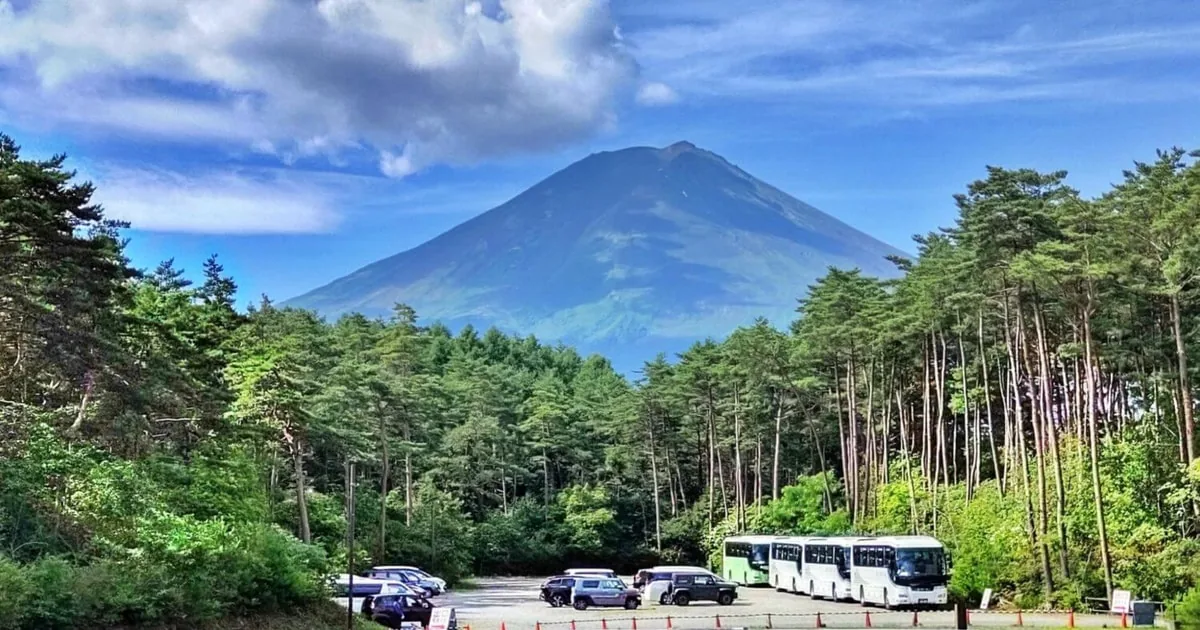
5th Station: the Fuji Subaru Line 5th Station, at about 2,300 m, is open for sightseeing most of the year, snow permitting.
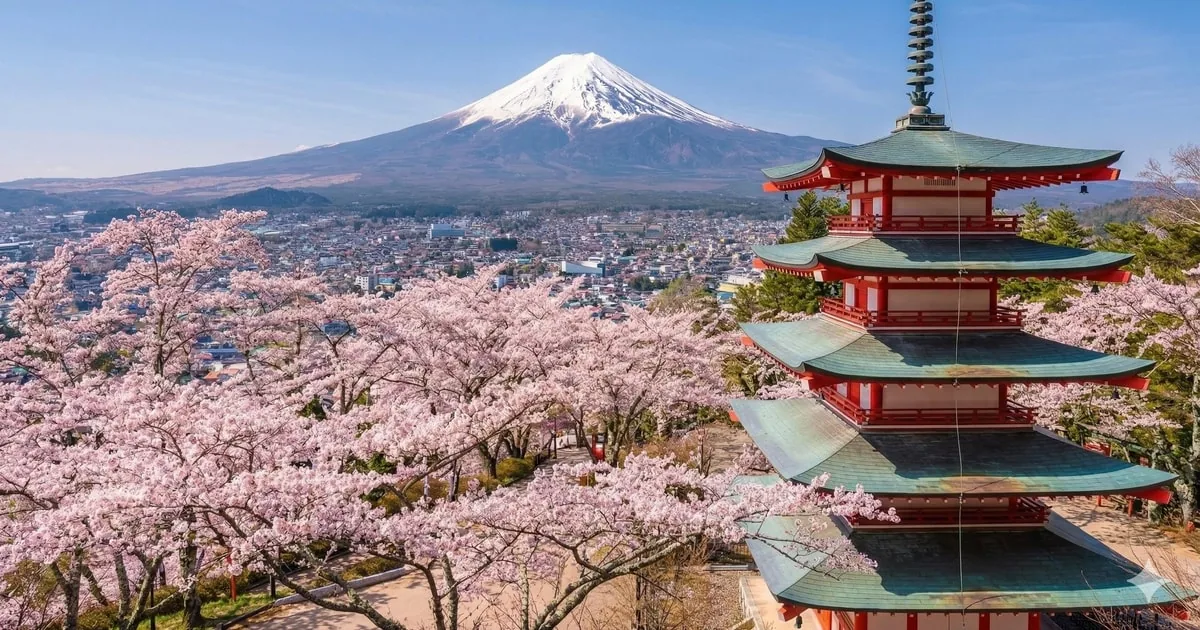
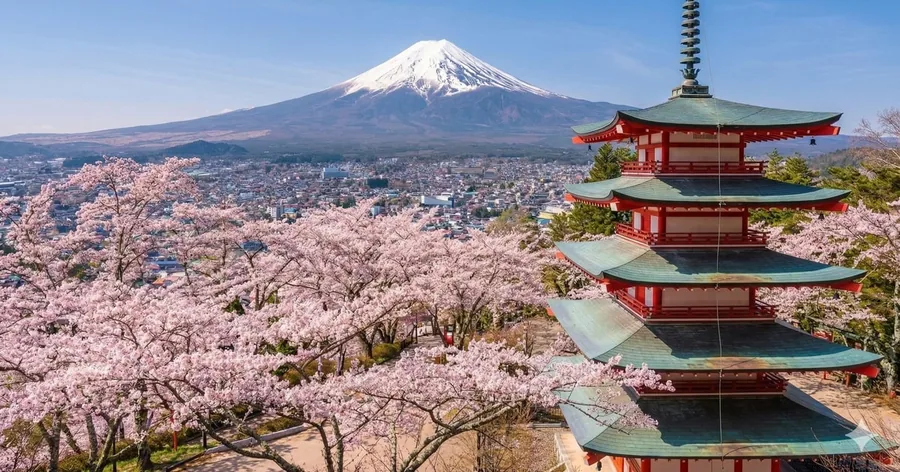
Chureito Pagoda: 398 steps up Arakurayama for the famous view over the town.
Lake Kawaguchi: Oishi Park and the Panoramic Ropeway up Tenjoyama.
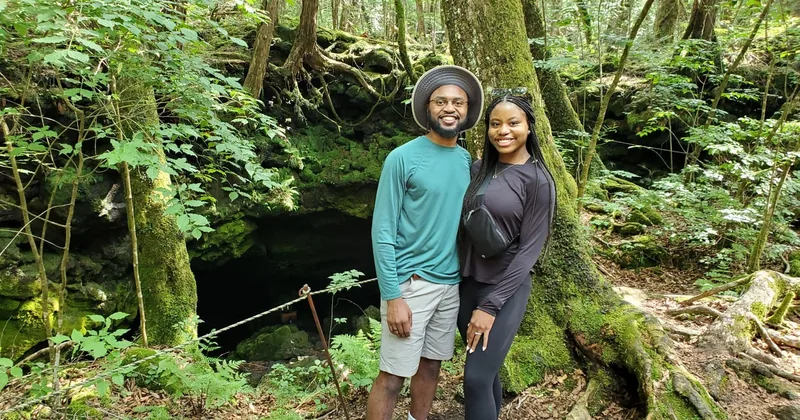
Aokigahara: quiet forest trails over old lava, and lava caves that stay cold all year.
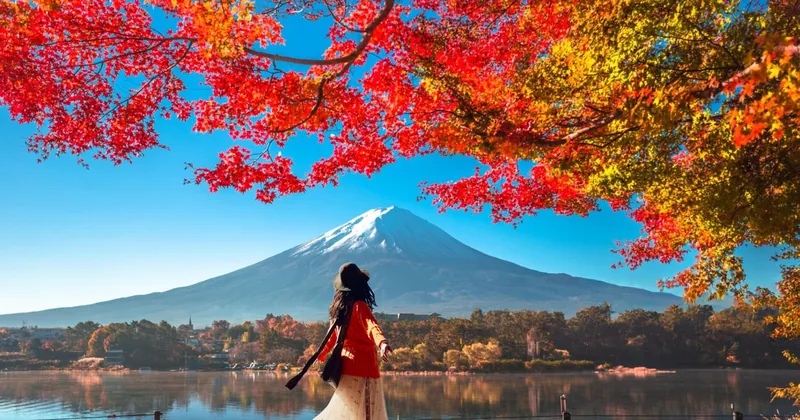
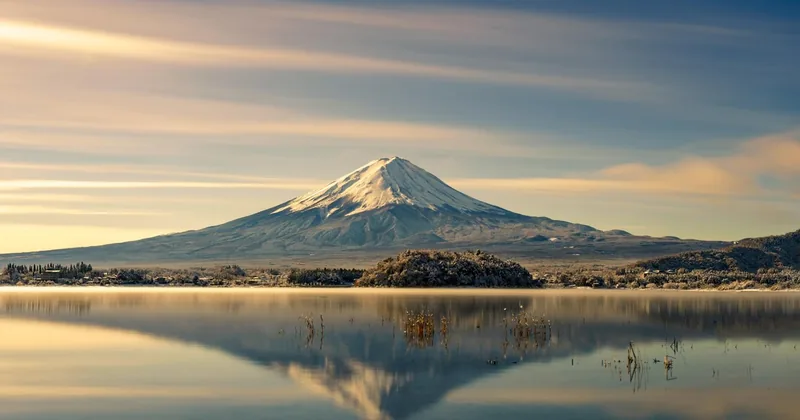
Clearest views: November to February, early in the morning.
3,776 mKengamineThe highest point, on the summit crater rim.
4Summit trailsYoshida, Subashiri, Gotemba and Fujinomiya.
2 pmThe gate ruleAfter 2 pm only hut guests may start up, until 3 am.
4,000A day on YoshidaThe daily limit on the busiest trail.
6 °CAugust at the topThe average summit temperature in the warmest month.
2013World HeritageFujisan listed by UNESCO as a cultural site.
Where it starts
The 5th Station, 2,300 m up
Fuji Subaru Line 5th Station
Start of the Yoshida Trail, Narusawa, Yamanashi
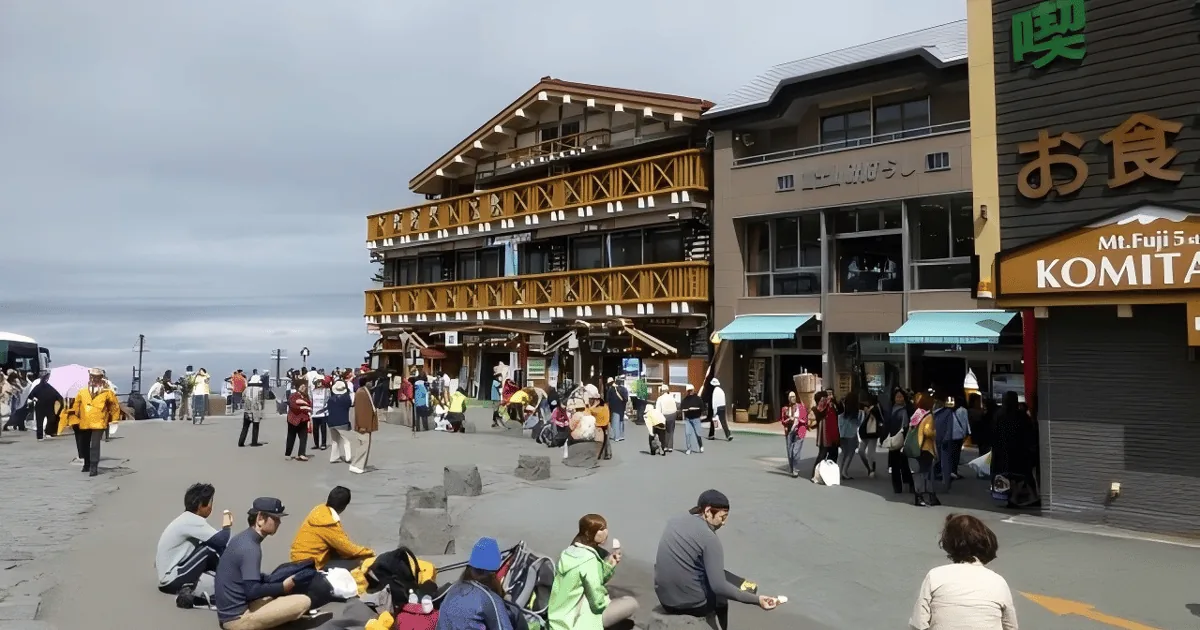
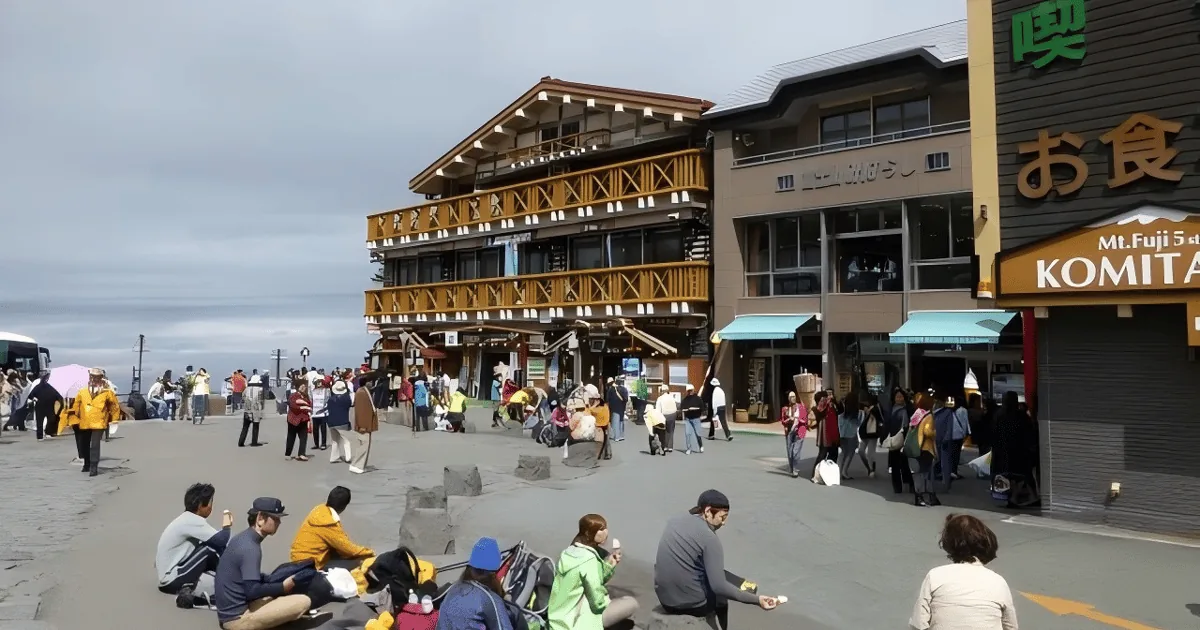
Most climbers start here, halfway up the mountain at about 2,300 m, where the road ends in a plaza of lodges,
shops and a small shrine. Direct highway buses run from Shinjuku, and local buses from Kawaguchiko Station take
about 50 minutes. Outside the climbing season it is still open for sightseeing, snow permitting, and many day
trips from Tokyo stop here when the road is clear.
Trail: Yoshida Trail (吉田ルート)
Buses: from Shinjuku or Kawaguchiko Station
Other 5th stations: Subashiri, Gotemba, Fujinomiya
4.8★★★★★ 6,062 reviews · Mt Fuji Five Lakes Day Trip from Tokyo GetYourGuide figure
★★★★★
My climb with Mt Fuji Guides was the highlight of my trip: well-planned, well-resourced, and with good company. Our group was small, with only 5 people and a guide, and they provided all the extra equipment I needed.
★★★★★
Amazing trip, from being picked up to getting dropped off. Our own guide, own space and own pace. Having the contact and conversation before the trip prepared us well.
★★★★★
My guide was very informative and knowledgeable about the area and the history of the Jukai. He clarified many misconceptions I had about the forest. An absolutely beautiful and peaceful place to be.
★★★★★
Even though Mount Fuji was covered by clouds, we still got wonderful insights into the Fuji area. Our guide knew a lot about every single stop. He clearly has a passion for Mount Fuji.
★★★★★
We started with a neutral mindset, but we were genuinely amazed by the forest. The explanations were incredibly detailed, and we learned so much about the nature and history of the forest.
★★★★★
Our guide made sure everyone knew the itinerary and the time we had to be back. I would definitely recommend it. I got a good view of Mount Fuji when I went in mid-February.
★★★★★
We thoroughly enjoyed our Mt. Fuji excursion. Multiple stops along the way offered different views of Fuji, each picturesque in its own way, and the instructions were very clear.
★★★★★
We had a great day in the mountains. Our guide was friendly and helpful and had everything well organised. It's a beautiful area of mountains and lakes, definitely worth leaving Tokyo for a day.
★★★★★
Awesome day trip from Tokyo: you see all the most popular spots near Fuji. Our guide organised the group and the stops so well that there was always enough time and no rush.
Fuji from afar
The view from Hakone
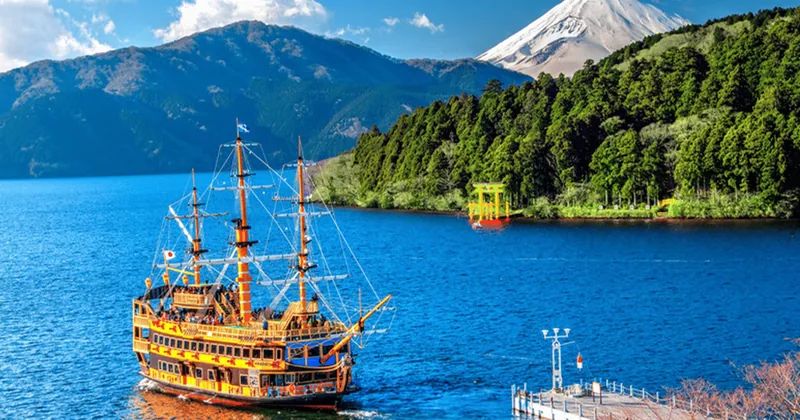
Some of the best Fuji days never touch the mountain. Across the valley, Hakone puts it on the horizon
behind a lake, a shrine gate and a steaming volcanic valley.
Hakone, Lake Ashi & Owakudani Day Tour
★ 4.6 · 8,105 reviews · GetYourGuide
Want Fuji on the horizon rather than under your boots? This day from Tokyo takes in Hakone Shrine and its torii in Lake Ashi, the Hakone Ropeway over the steaming valley of Owakudani and an optional pirate-ship cruise, with Fuji in view on clear days. Full refund if you cancel up to 24 hours ahead.
Around 200,000 people climb Mount Fuji each summer, and most of those who reach the top are not
mountaineers. What separates a good climb from a miserable one is almost always three choices: when you go, where
you sleep, and how slowly you walk.
When you can climb
The summit trails open for about ten weeks a year. In 2026 the Yoshida and Subashiri trails opened on 1 July,
Fujinomiya and Gotemba on 10 July, and all four closed on 10 September. Outside those weeks the huts, first-aid
posts and toilets are shut, the upper slopes are under snow, and officials strongly advise against climbing. So
if you are reading this between September and June, the summit is a plan for next summer; the lakes, the forests
and the 5th Station are what you can do now. The best weeks inside the season are weekdays in July and early
September, away from the mid-August holidays.
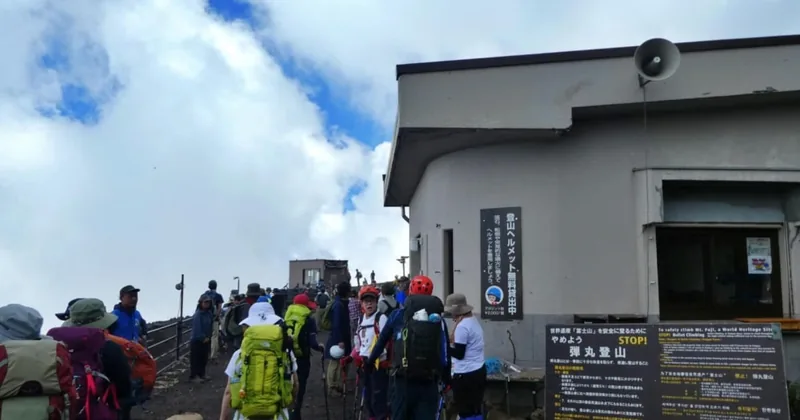
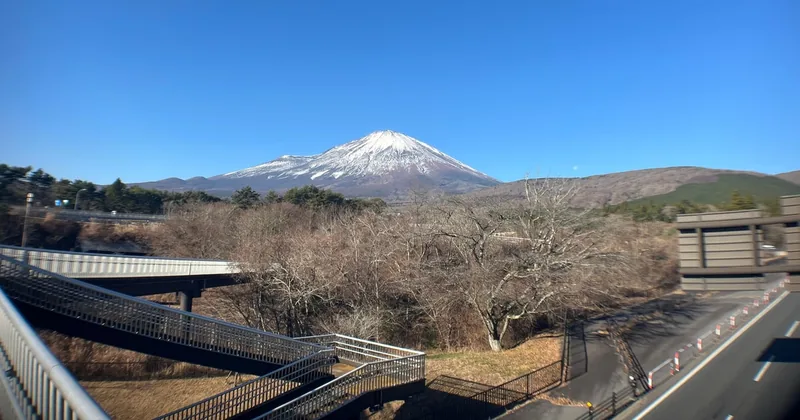
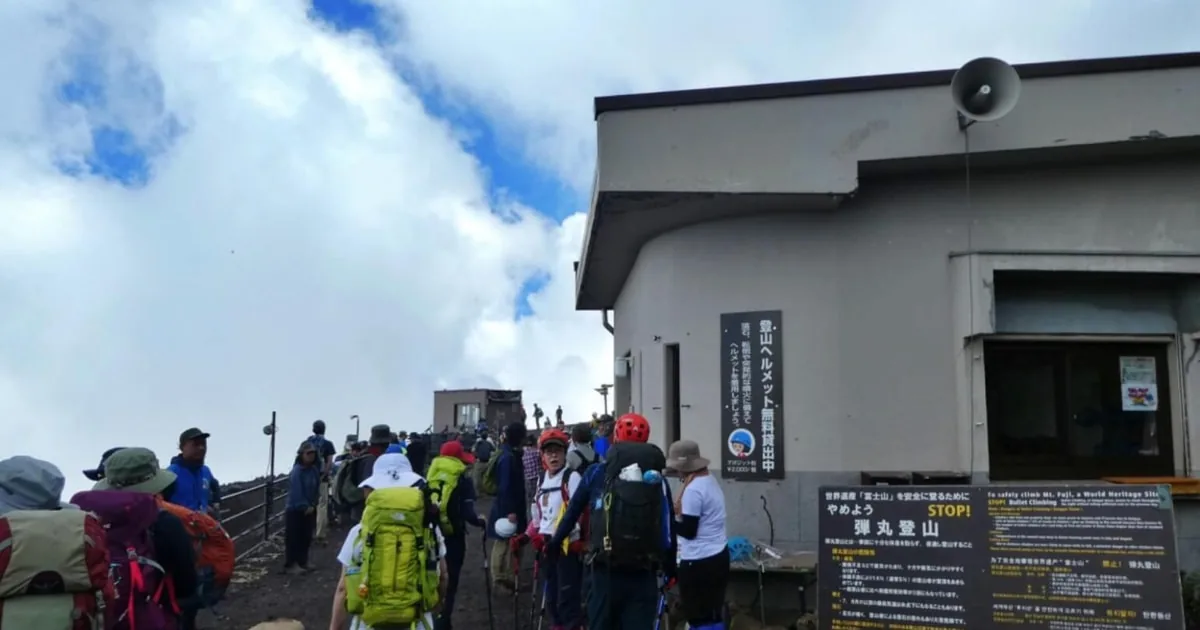
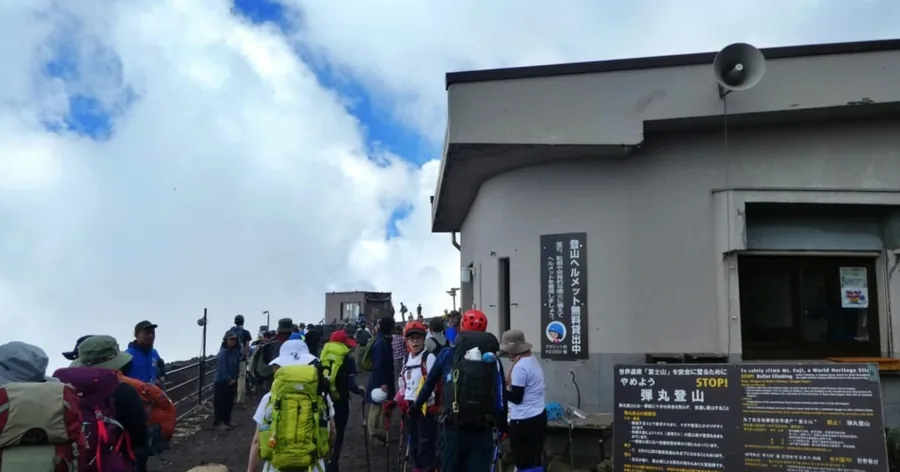
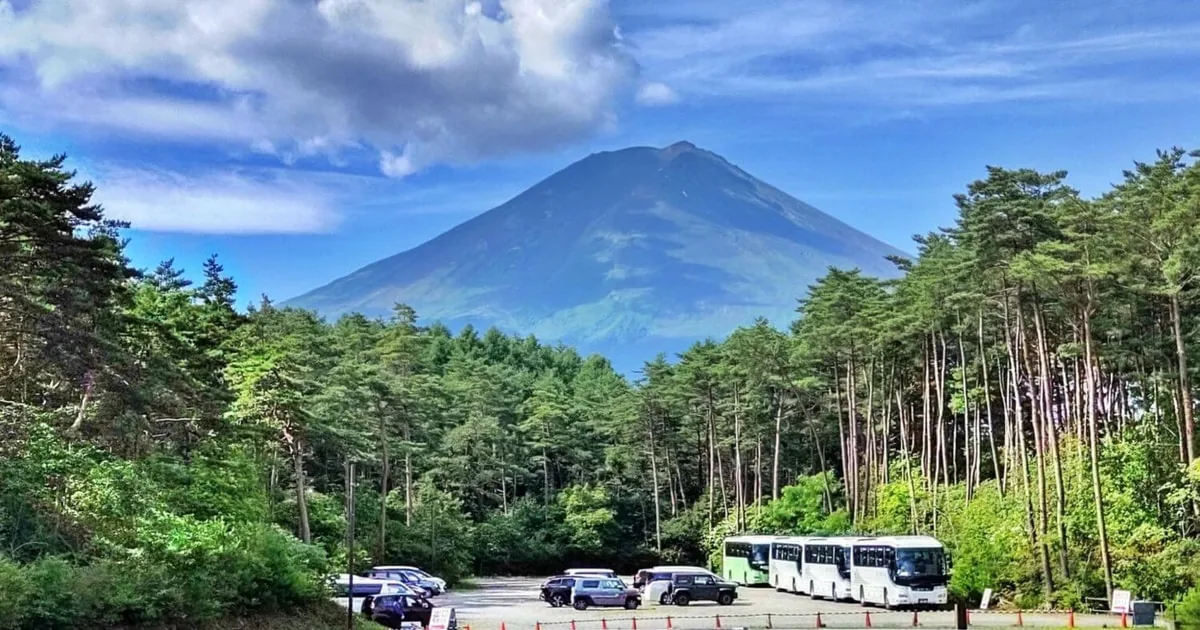
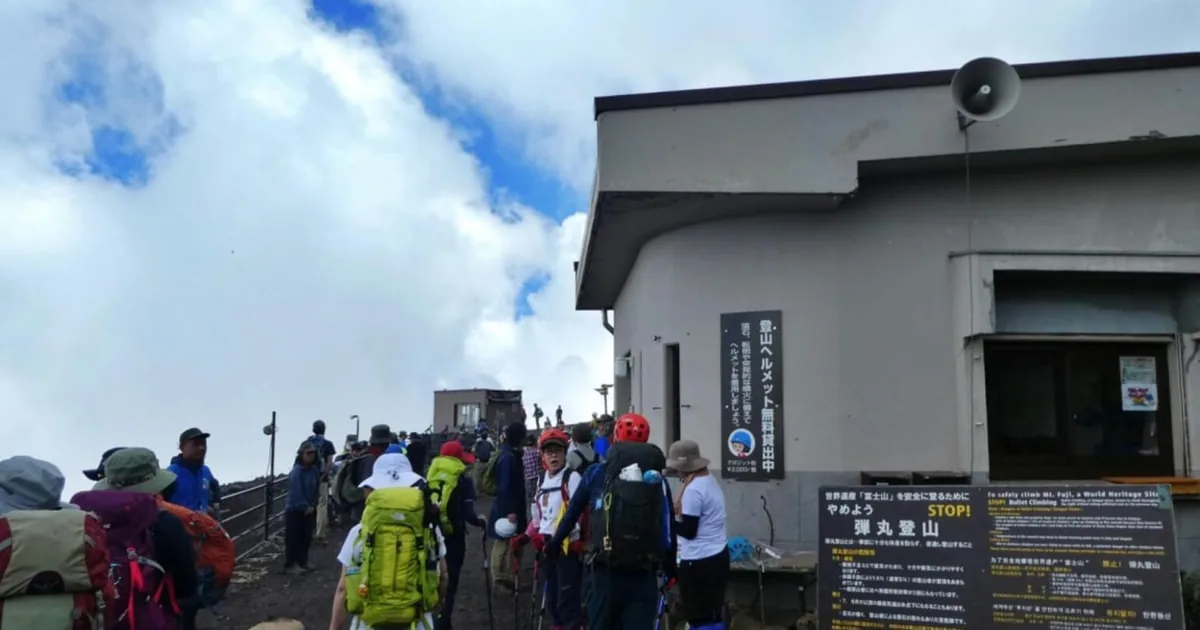
Most climbers start from a 5th station, about halfway up.
The rules since 2024
Fuji used to be climbed any way people liked, including overnight "bullet climbs" straight to the summit for
sunrise. That ended in stages. Every trail now charges a per-person climbing fee. From 2 pm to 3 am you may only
start up if you have a hut reservation. The Yoshida Trail has a gate at its 5th station and a limit of 4,000
climbers a day, and staff check that you carry warm clothes, rain gear and proper boots. On the three Shizuoka
trails you complete a short online safety course and quiz before you go. None of it is hard; it just needs doing
before you arrive.
The honest small print: you do not need a tour to climb Fuji, and most people go without
one. A guide is worth it if this is your first real mountain, if you want someone else to book the hut and handle
the fees, or if you want to set your own pace. The guided climbs here run only in season and have few reviews so
far; the day trips run all year, but clouds can hide Fuji on any day.
Where you sleep, and how you walk
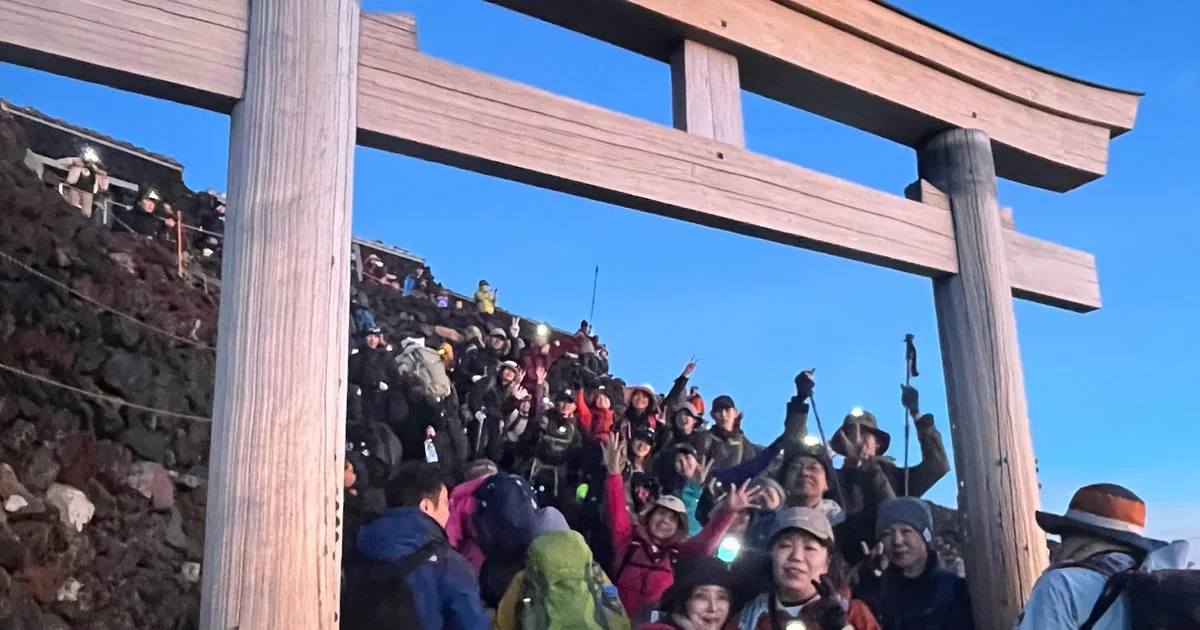
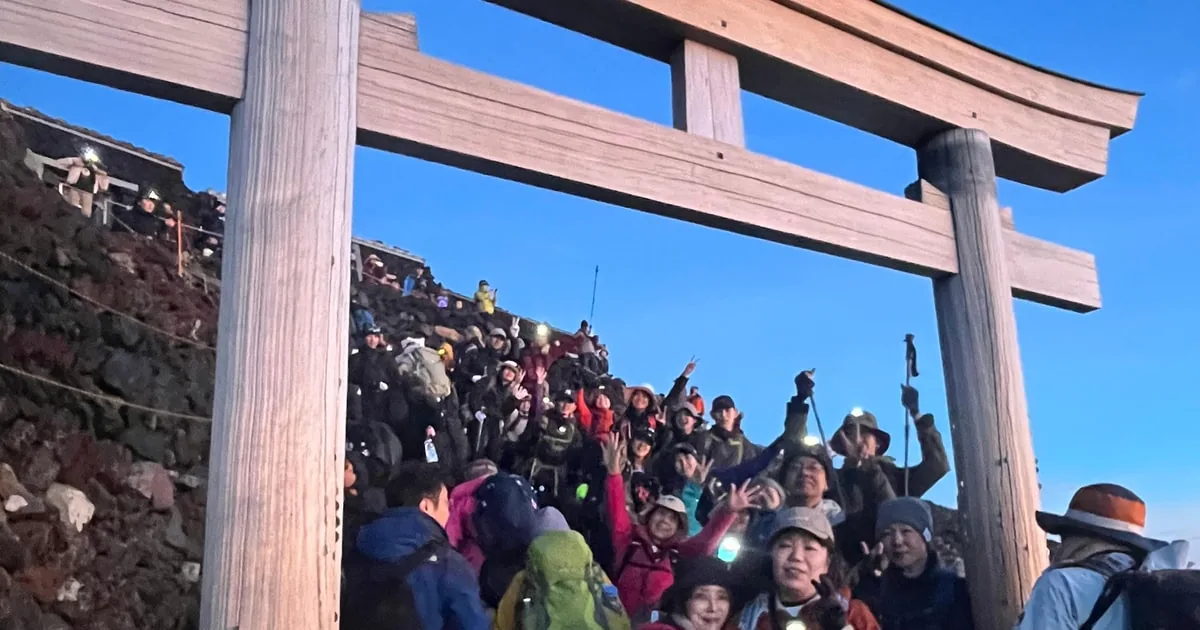
Almost everyone who enjoys the climb spends a night in a mountain hut, somewhere around the 7th or 8th station.
You arrive in the afternoon, eat an early dinner, sleep a few hours and set off in the dark for the sunrise. The
night lets your body adjust to the thin air, which is the real difficulty on Fuji: not steepness, but altitude.
Walk slower than feels necessary, drink water, eat often and rest at every station. If a headache or nausea will
not go away, the cure is to go down. Fuji is safe to climb when you go in season, stay a night in a hut, walk
slowly and carry warm clothes and rain gear.
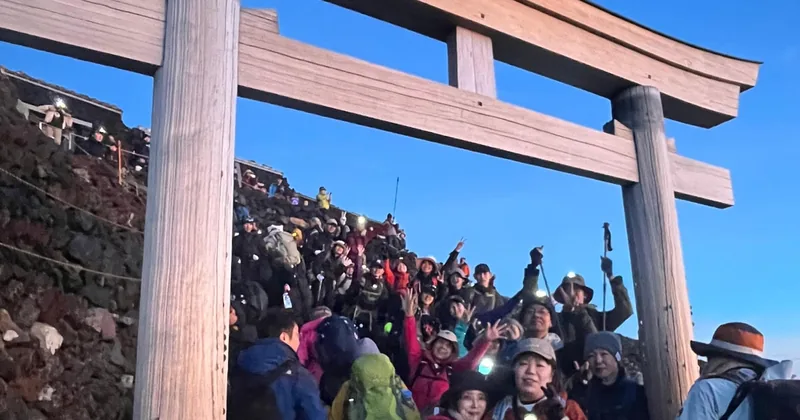
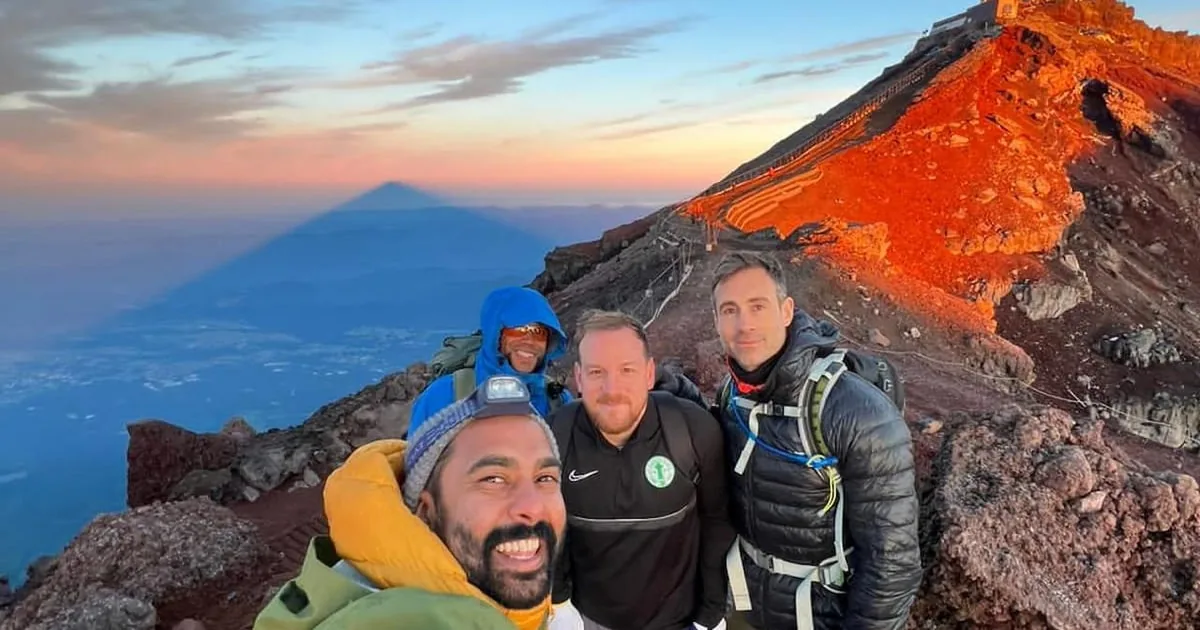
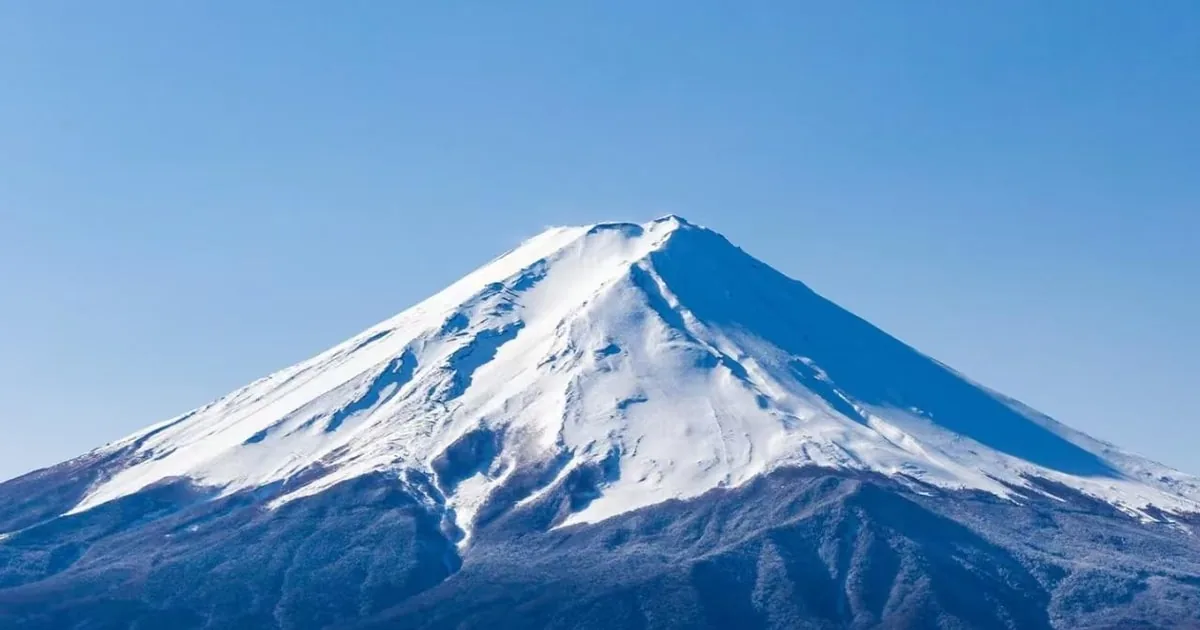
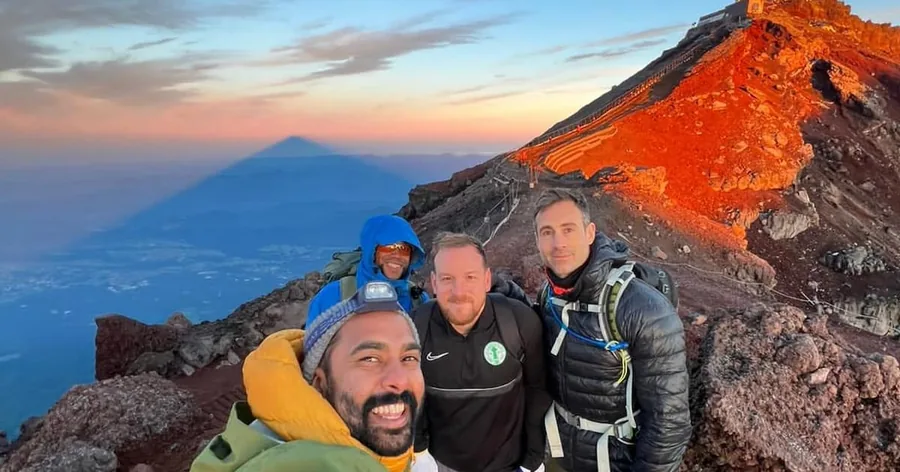
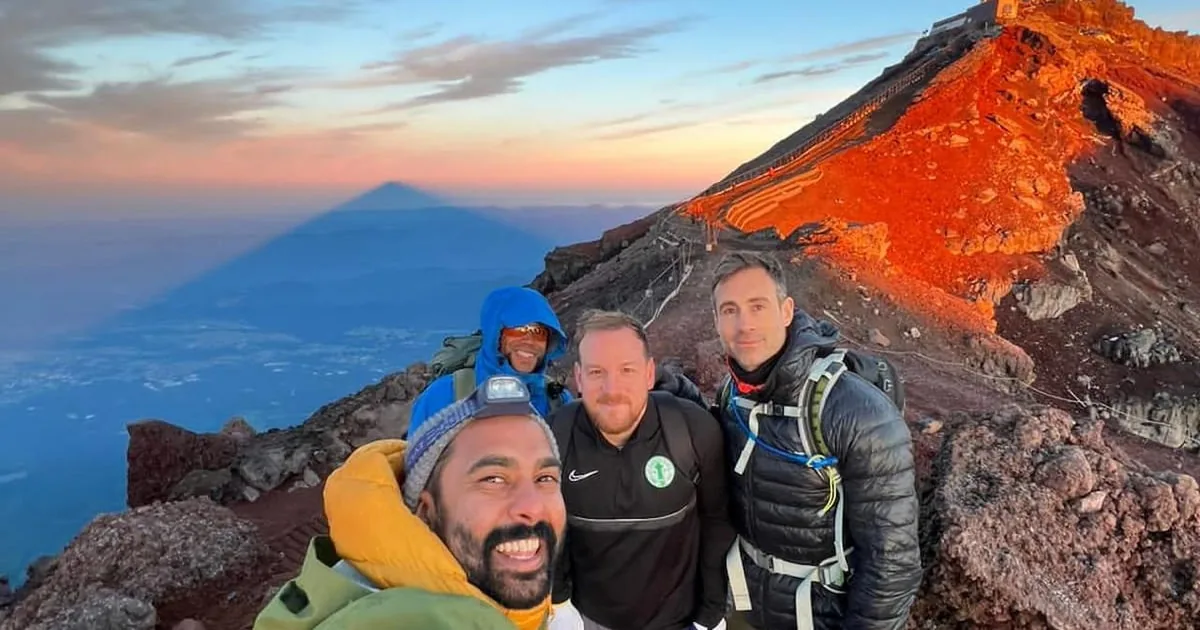
Sunrise near the top, with Fuji's shadow on the clouds.
Choosing your trail
The Yoshida Trail, from the Fuji Subaru Line 5th Station, has the most huts and the most climbers, which makes
it the easiest to plan and the most crowded. Fujinomiya starts highest and is the shortest, but steep. Subashiri
begins in forest and has a fast sandy descent; Gotemba is long, quiet and for experienced hikers. The summit is
cold, about 6 °C on average in August and close to freezing before dawn, so pack as if for early winter.
When the summit is closed
For nine months a year, Fuji is a mountain to look at and walk around. November to February brings the
clearest views, early in the morning. The Five Lakes, the Chureito Pagoda, Oshino Hakkai and the Aokigahara
forest all make fine days out, and the day trips from Tokyo string several together.
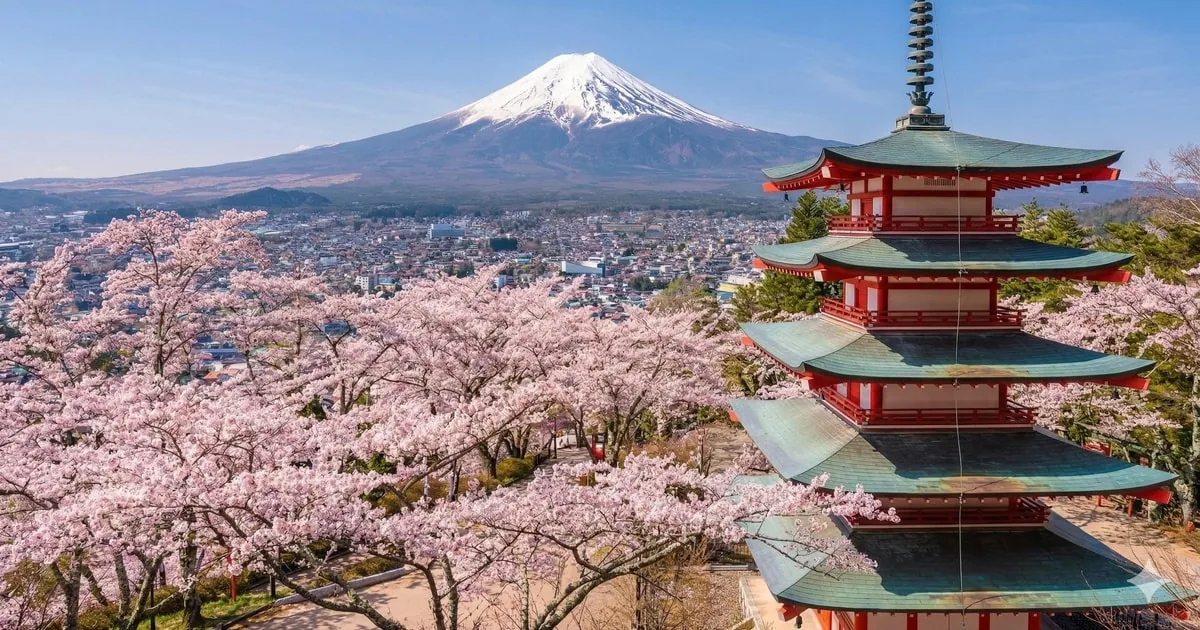
The Chureito Pagoda view, 398 steps above Fujiyoshida.
Straight answers to what hikers ask most about Mount Fuji.
Can you climb Mount Fuji right now?
Not to the summit. The official season runs from early July to 10 September, and the 2026 season has ended: the four summit trails and the mountain huts are closed until next summer. The 5th Station, the Five Lakes and the forest trails below stay open. Dates and rules in the 2026 rules and season.
Can a beginner climb Mount Fuji?
Yes, if you are reasonably fit, go in season and take it slowly. In season Fuji is a long, non-technical hike on marked trails with no ropes or climbing skills needed; the real challenges are altitude, cold and a long day. A night in a mountain hut makes it far easier. More in how hard Fuji really is.
How many hours does it take to climb Mount Fuji?
On the official figures, 5 to 9 hours up and 2.5 to 4 hours down, depending on the trail: about 6 hours up the Yoshida Trail, 5 on Fujinomiya, 6.5 on Subashiri and nearly 9 on Gotemba. Most people split it over two days with a hut night.
Which trail on Mt. Fuji is considered the easiest?
None is easy. The Yoshida Trail is the usual choice for first-timers because it has the most huts, first-aid posts and separate paths up and down, though it is also the busiest. Fujinomiya is the shortest but steep. All four side by side in the trails compared.
Can you climb Fuji without a guide?
Yes. A guide is not required, and most climbers go without one. You do need to book your hut, pay the climbing fee, complete the online safety course on the Shizuoka trails and bring proper gear. Yamanashi advises inexperienced climbers to hire a professional guide. Both ways in with a guide or without.
Can I climb Mt. Fuji with a guide?
Yes. A handful of guided two- and three-day climbs sell on GetYourGuide, from a private guide on the trail you choose to small groups with gear rental and the hut included. They run in the summer season only and have few reviews so far, all at five stars.
Can I climb Fuji in one day?
It is possible if you pass the 5th station gate between 3 am and 2 pm, but it is not recommended: a single-day ascent is exhausting and raises the risk of altitude sickness. Overnight climbs without a hut booking are now blocked. The hut night explained in huts and sunrise.
How cold is it at the top of Mount Fuji?
Cold, even in summer. Japan Meteorological Agency averages at the summit are about 5 °C in July and 6 °C in August, and it drops close to freezing before sunrise, with strong wind. Bring a warm jacket, gloves and a hat.
Do you need oxygen to climb Fuji?
No. Small cans of oxygen are sold at the 5th stations and huts, but they are not required. Walking slowly, drinking water and spending a night in a hut on the way up help far more against altitude sickness.
What age to climb Mount Fuji?
There is no legal age limit. The official FAQ notes that most climbing tours accept children from about fourth grade, around age 9 or 10, and advises a hut night for children. For older climbers, fitness and a slow pace matter far more than the number of birthdays.
Which is harder, Kilimanjaro or Fuji?
Kilimanjaro, by a long way. It is about 5,895 m against Fuji's 3,776 m and usually takes 5 to 9 days with a licensed guide. Fuji is one night and two days for most climbers. Both are non-technical hikes where altitude is the real test.
What is the best month to see Mount Fuji?
November to February, early in the morning, when the air is clearest. Summer is the cloudiest time of year: in June to August Fuji can hide for days. The views, walks and lakes in the best time to see Fuji.
Is there cell service on Mount Fuji?
In season, yes on most of the mountain: docomo covers all four trails, the huts and the summit with 4G, and docomo and SoftBank have 5G on part of the summit. Outside the season reception is poor, one more reason the mountain is closed.
Ready to go
The summit in summer, the lakes all year.
Instant confirmation on GetYourGuide, with the refund terms shown on every option.
 Gear included
★ 5.02 days5 reviews
Gear included
★ 5.02 days5 reviews