Booking choice: The guided 2-day summit climb, ★ 5.0 (2). Check dates Compare the options below
Search for Mount Fuji tours and most of what you find are bus day trips to the Five Lakes, some of them with a stop at the 5th Station at about 2,300 m. They are good days out, but they are not summit climbs. Only a handful of listings on GetYourGuide are guided climbs to the top, and they are all new enough to have very few reviews so far, between 1 and 5 each. This guide says so plainly, because it matters when you choose.
Below: whether you can climb with a guide or without one, what a guide actually adds on Fuji, a checklist if you go on your own, the three guided climbs side by side, who should book which, and what happens outside the season. How hard the climb is overall is in how hard Fuji is, and the trails in the trails compared.
The quick answer
Yes, you can climb Mount Fuji with a guide, and you can also climb it without one: a guide is not legally required. Yamanashi Prefecture advises climbers without mountain experience to hire a professional mountain guide. A guide sets your pace, books or coordinates the hut, handles registrations and the climbing fee, watches the weather and your health, and usually sorts out transport and gear. Going alone means organising all that yourself: dates within the season, a hut reservation (separate from any trail booking), the per-person climbing fee, the online safety course on the Shizuoka trails, the right gear and the buses. Three guided summit climbs are listed on GetYourGuide: a private 2-day climb on the route you choose (5.0 from 2 reviews), a 2-day small-group sunrise climb from Tokyo on the Fujinomiya Trail (5.0 from 5 reviews) and a 3-day climb based in Subashiri (5.0 from 1 review). All run in summer only; the 2026 season ended on 10 September, so any booking now is for next year.
Can I climb Mt. Fuji with a guide?
Yes. In the summer season you can book a private guide or join a small guided group, for two or three days with a night in a mountain hut. Outside the season there are no guided summit climbs.
Guided Fuji climbs come in two shapes. A private climb gives you your own guide on the trail and timetable you agree together; you usually book and pay for the hut yourself. A small-group climb bundles more: transport from Tokyo, a fixed trail, the hut with meals and rented gear, with one guide for a handful of climbers. Either way, the guide walks with you from the 5th station to the summit and back.
Be clear about what you are booking. Most tours called Mount Fuji tours are day trips by bus to the lakes and viewpoints, with no hiking, and they run all year. If you want to see the mountain rather than climb it, those are compared in the best time to see Fuji.
Can you climb Fuji without a guide?
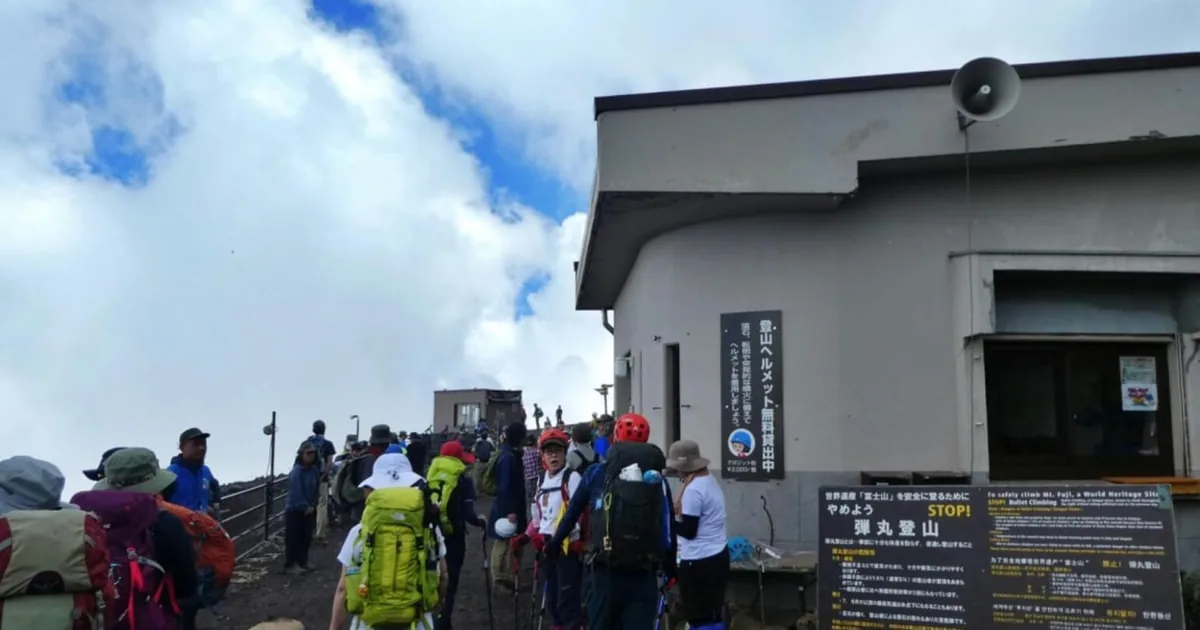
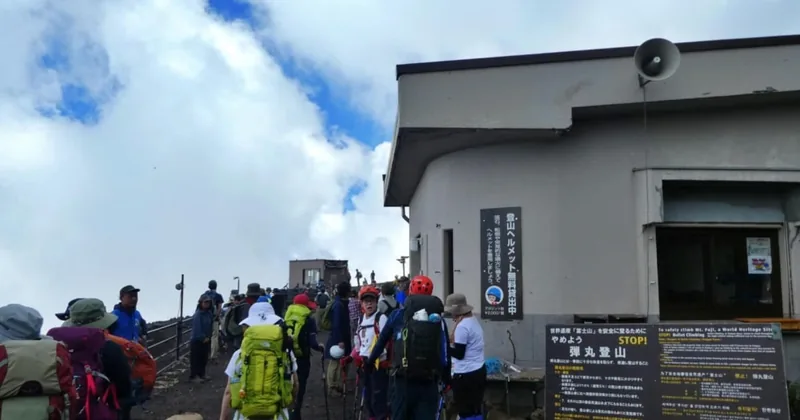
Yes. A guide is not legally required, and most climbers go on their own or with friends. The trails are marked, huts line the busier routes and staff at the 5th stations brief climbers in season.
Going on your own works well if you have walked in mountains before, are comfortable planning in advance and can follow Japanese and English signs. You will need to book a hut, register and pay the climbing fee, arrange the buses and bring the right gear. Many first-timers manage it perfectly well, especially on the Yoshida Trail with its many huts.
Yamanashi Prefecture, which manages the Yoshida Trail, advises climbers without mountain experience to hire a professional guide. That is sensible advice rather than a rule. If you have never been above 2,000 m, have little time to plan, or are climbing with children or older relatives, a guide takes a lot of weight off. Fuji is safe to climb when you go in season, stay a night in a hut, walk slowly, and carry warm clothes and rain gear, with or without a guide.
What does a guide add on Mount Fuji?
Mostly judgement and organisation: the right pace for the altitude, a hut that fits the plan, registrations and fees done for you, and someone who decides when the weather is safe and when to turn back.
- Pacing: the most common mistake on Fuji is going too fast. A guide keeps you slow and steady, which is the best protection against altitude sickness.
- The hut: huts are booked separately from any trail reservation and the good ones fill early. A guide books or coordinates it, and knows which huts suit a sunrise start.
- Registrations and fees: the climbing fee, the Yoshida online booking and the Shizuoka online course can be confusing in another language. Guided climbs handle or include them.
- Weather calls: wind, rain and thunderstorms change quickly. A guide reads the forecast, decides when to go and when to wait, and knows when the crater walk is closed.
- Gear: advice before the trip, and on some climbs gear rental included, which saves buying boots and rain gear for one climb.
- Transport: getting to a 5th station and back can be the trickiest part. Most guided climbs include it or travel with you.
- Company: someone to explain what you are seeing, from the old volcanic craters to the shrines at the summit.
Everything handled for you: transport from Shinjuku, gear rental included, the hut with dinner and breakfast, and registrations and climbing fees done.
Check dates for the 2-day sunrise climb from TokyoWhat do you need to organise to climb Fuji on your own?
Your dates within the season, a hut reservation, the climbing fee and registration for your trail, the right clothing and gear, and the buses there and back. Start as soon as the season's dates are announced.
- Dates: the season runs from early July to 10 September. The 2027 dates have not been announced yet; Yoshida and Subashiri opened on 1 July in 2026, Fujinomiya and Gotemba on 10 July.
- The hut: book your hut directly and early. It is separate from any trail booking, and between 2 pm and 3 am the trails are open only to climbers with a hut reservation.
- The fee and registration: all four trails charge a per-person climbing fee, paid online in advance or at the 5th station gate. On the Shizuoka trails you also complete a short online safety course and quiz before your climb. On the Yoshida Trail you can book your entry online in advance.
- Gear: high-cut boots, a two-piece rain jacket and trousers, warm layers with gloves and a hat, a headlamp, water, snacks and a first-aid kit. The Yoshida gate checks for winter clothing, rain gear and proper footwear.
- Buses: direct highway buses from Shinjuku run to the Fuji Subaru Line 5th Station; outside summer there are fewer, and some go via Kawaguchiko Station, so check the current timetable. In season, reserve your seat.
- The weather: check the mountain forecast the day before and on the morning. If it looks bad, move your dates rather than push on.
- Rubbish: there are no bins on the trail. Carry your rubbish back down.
The rules for each trail are explained in the rules for 2026, and the hut night and sunrise in one day or overnight. The official climbing site also has a clear FAQ.
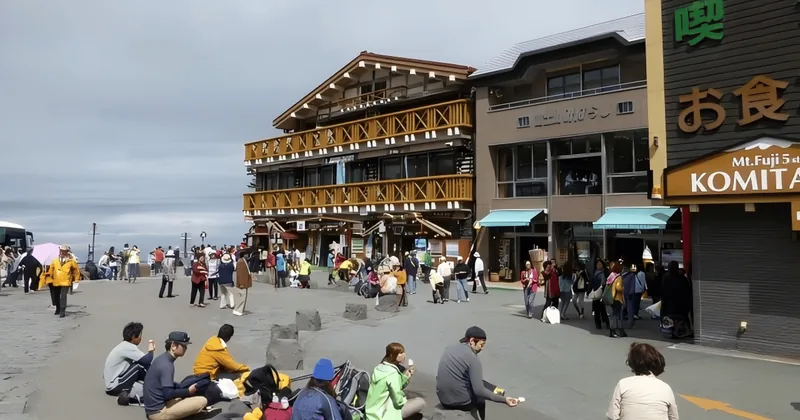
Which guided Fuji climbs can you book?
Three guided summit climbs are listed on GetYourGuide, all rated 5.0 but with very few reviews: 2, 5 and 1. That is too few to judge them on ratings alone, so compare what each includes.
All three run only in the summer season and refund in full if you cancel up to 24 hours ahead. The biggest practical difference is the hut: the sunrise climb includes it with dinner and breakfast, the private climb leaves the hut night, meals and hut booking fees to you, and the three-day climb includes the lodge and the hut but not meals. The reviews that exist are warm: guests on the private climb liked having their own guide, space and pace, and the contact before the trip; the sunrise climb was called well planned and well resourced, with extra gear provided; the three-day climb's single reviewer praised the guide by name.
| Climb | Days | Trail | Hut and meals | Rating |
|---|---|---|---|---|
| Guided 2-Day Summit Climb: Choose Your Route (private) | 2 | Your choice of the four | Not included: book the hut and meals yourself | 5.0 (2 reviews) |
| 2-Day Sunrise Climb from Tokyo (small group, 1 guide to 6) | 2 | Fujinomiya | Included: hut near the crater rim, dinner and breakfast | 5.0 (5 reviews) |
| 3-Day Guided Hiking Tour (based in Subashiri) | 3 | Subashiri side | Lodge and 8th-station hut included; meals not included | 5.0 (1 review) |
The private summit climb gives you a professional mountain guide on the trail you choose, with the climbing fee, your transport option and route and schedule planning included. You meet at a Fujisan parking area or travel from Tokyo by public transport with the guide. The hut night, hut meals and hut booking fees are not included. Not suitable for people with heart or breathing problems or low fitness. Rated 5.0 from 2 reviews; full refund if you cancel up to 24 hours ahead.
Explore the guided 2-day summit climbWhich guided climb should you choose?
The sunrise climb if you want everything arranged from Tokyo, the private climb if you want your own guide and your own trail, and the three-day climb if you want a slower pace and a sunrise away from the crowds.
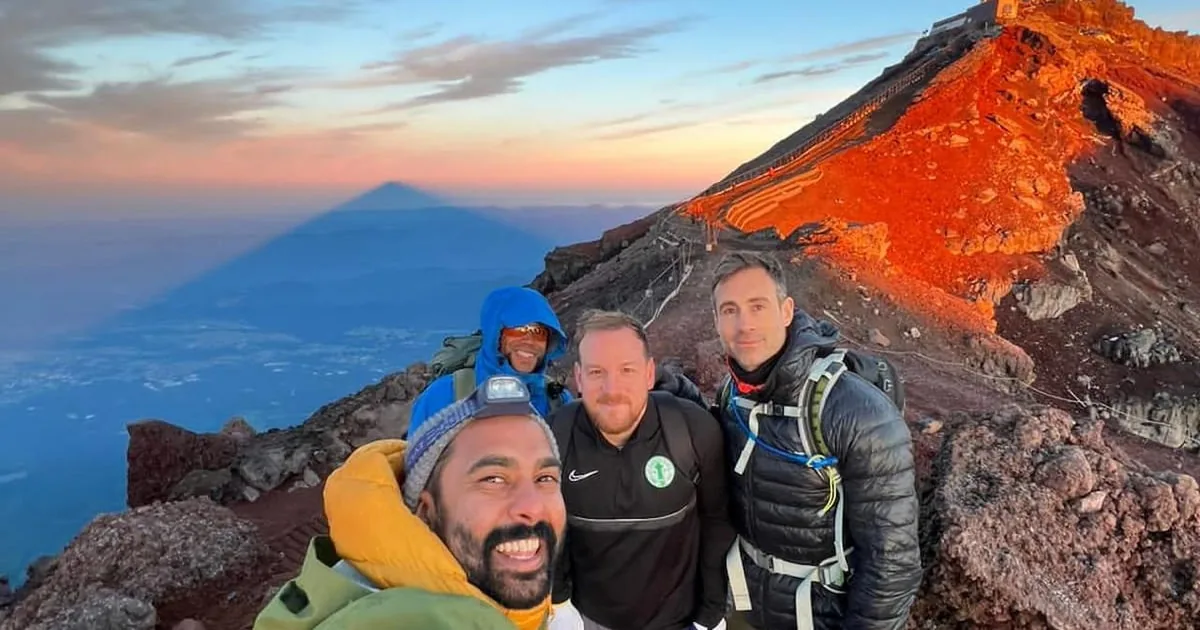
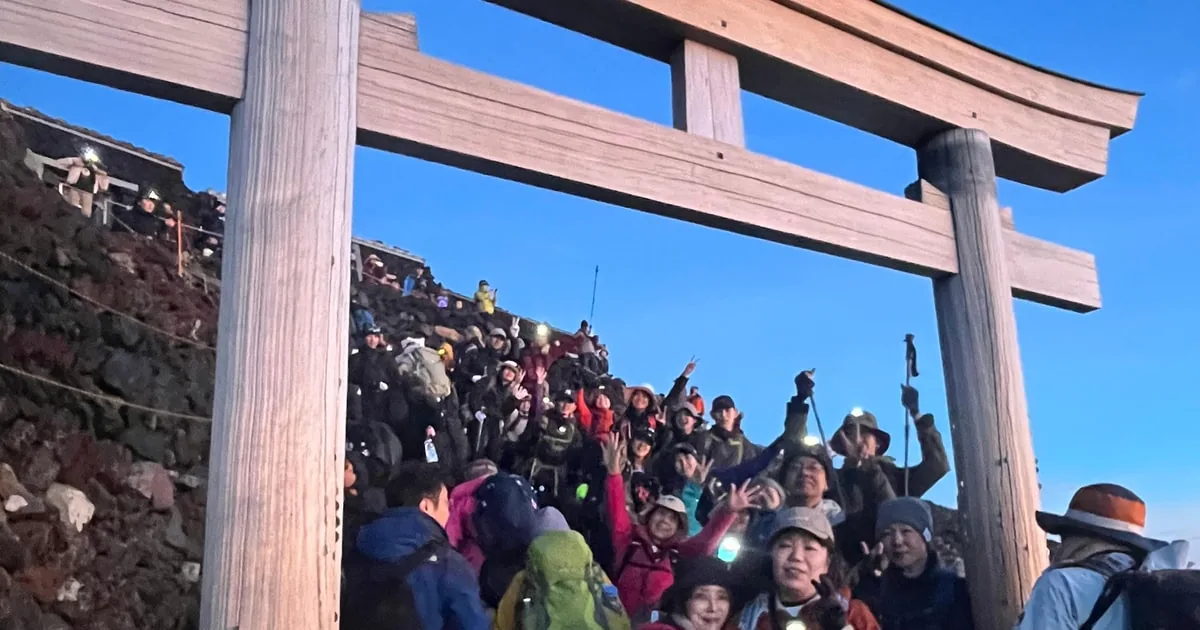
- First climb, little time to plan: the 2-day sunrise climb from Tokyo. Pickup in Shinjuku or a meeting point in Gotemba, gear fitting and rental, the hut with meals, and a short walk to the summit before dawn from a hut near the crater rim.
- Couples, families or friends who want their own guide: the private 2-day summit climb. You choose the trail and agree the schedule; budget for the hut yourself.
- Worried about the altitude, or want it calmer: the 3-day guided hiking tour. A lodge near the trailhead, a hut at the 8th station, the sunrise between the 8th and 9th stations, the summit in the morning and a hot spring after.
- Experienced hikers comfortable with planning: go on your own with the checklist above.
Whichever you choose, read the listing's health notes: the private climb, for example, is not suitable for people with heart or breathing problems or low fitness.
A slower Fuji: three days, two nights, a sunrise watched from the 8th and 9th stations away from the summit crowds, and a hot spring to finish.
Check dates for the 3-day guided Fuji hikeIs a guided Fuji climb worth the extra cost?
For a first climb without mountain experience, usually yes. A guided climb costs several times more than climbing on your own, and what you are paying for is planning, safety judgement and time saved rather than the climb itself.
On your own, your main costs are the climbing fee, the hut night (usually the biggest single cost), transport and any gear you need to buy or rent. A guided climb adds the guide's time and usually bundles some of those items; check each listing for what is included, because the private climb, for example, leaves the hut to you, while the sunrise climb includes it.
The value is highest if you would otherwise struggle with bookings in Japanese, would need to buy a full set of gear, or are climbing with people who need a careful pace. It is lowest for experienced hikers climbing the Yoshida Trail in good weather. The full list of what a climb involves is in the rules for 2026.
Can you climb Fuji with a guide outside the season?
No. Outside the season the summit trails are closed and the huts are shut, officials strongly advise against climbing, and the guided summit climbs run only in summer. You can still walk on the lower slopes and around the lakes with a guide.
The 2026 season ended on 10 September. From autumn to early summer the upper mountain is cold, windy and usually snow-covered, and there are no huts, first-aid stations or toilets open. Both prefectures have announced plans, not yet in force, to require a notification from anyone who climbs outside the season from autumn 2027. Details are in the rules for 2026.
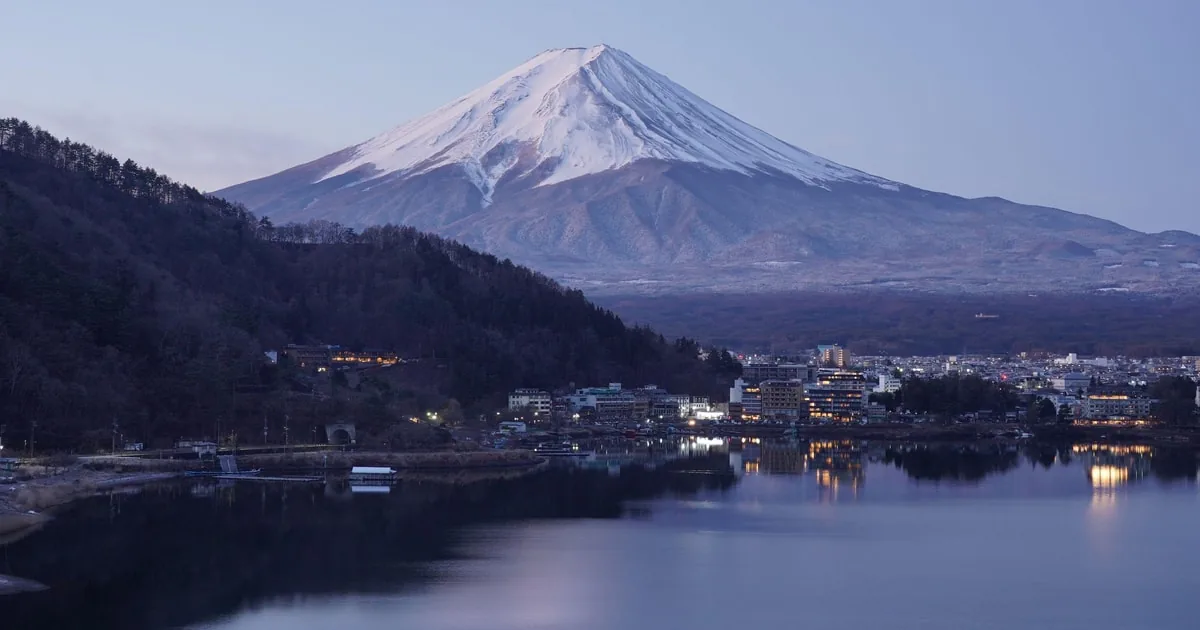
Guided walks at the foot of Fuji run all year: a guided nature walk in the Aokigahara forest over old lava to a cave, a forest hike from Gotemba with a guide who climbs Fuji many times a year, or a private hike around Lake Kawaguchi tailored to your fitness. More ideas are in the best time to see Fuji.
Frequently asked questions
Is a guide required to climb Mount Fuji?
No. There is no legal requirement to climb with a guide. Yamanashi Prefecture advises climbers without mountain experience to hire a professional mountain guide.
Do guided Fuji climbs include the mountain hut?
It depends on the climb. The 2-day sunrise climb includes a hut near the crater rim with dinner and breakfast, and the 3-day climb includes the 8th-station hut but not meals. The private 2-day climb does not include the hut, its meals or hut booking fees.
Why do the guided climbs have so few reviews?
The climbs run only in a short summer season of about ten weeks, with small groups, so reviews build up slowly. Ratings of 5.0 from 1 to 5 reviews are encouraging but not proof, so compare what each includes and contact the operator with your questions before you book.
Can I book a guided climb for 2027 now?
Check the calendar on each listing. The 2027 season dates have not been announced yet, so some dates may appear only once the prefectures confirm the opening. Every climb here refunds in full if you cancel up to 24 hours ahead.
Ready to book
Choose your hike
Check your date and the live price on GetYourGuide; the refund terms are shown on each option.
Guided 2-Day Summit Climb, Your Route
- A professional mountain guide, just for your group
- The Mount Fuji climbing fee
- Transport as in the option you choose
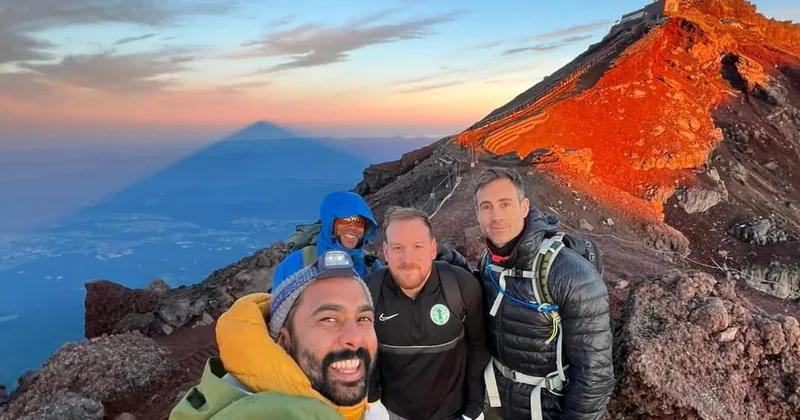
2-Day Sunrise Climb from Tokyo, Hut Stay
- Guided climb with one guide to six guests
- Hiking gear rental and a safety briefing
- Hut night near the top with dinner and breakfast
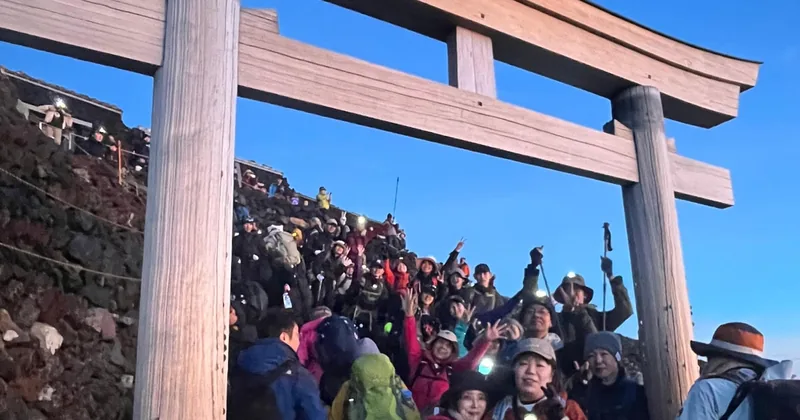
3-Day Guided Fuji Hike with Two Nights
A lodge night below, an 8th station hut, sunrise away from the summit crowds